
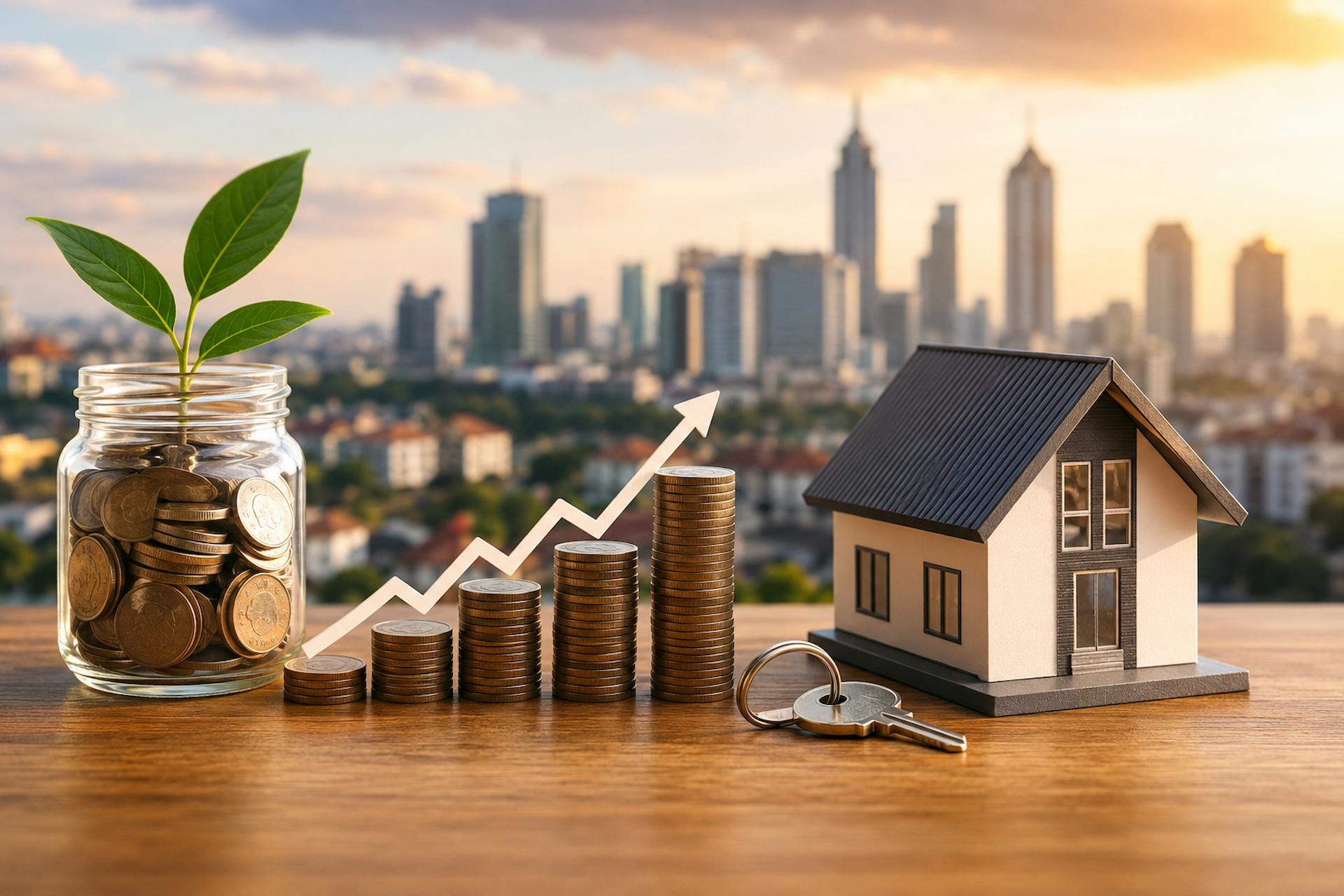
Discover practical real estate and property strategies that support long-term financial growth. Learn how smart investing, strong locations, cash flow planning, and market awareness can help build lasting property value.
Property has long been viewed as one of the most reliable ways to build wealth. Yet long-term success in real estate rarely happens by accident. Markets shift, interest rates fluctuate, buyer behavior evolves, and economic conditions can quickly reshape investment opportunities. Many investors enter the property market focused solely on short-term gains, overlooking strategies that deliver lasting financial growth.
The most successful property investors understand that real estate is not simply about buying buildings. It is about making informed decisions, carefully managing risk, and positioning investments to benefit from long-term economic and population trends. Whether someone owns a single rental property or plans to build a larger portfolio, strategic planning makes a significant difference.
Why Real Estate Remains a Strong Long-Term Investment
Real estate has consistently remained attractive because it combines stability with long-term earning potential. Unlike highly volatile investment markets, property often provides tangible value that tends to appreciate gradually over time.
Population growth, urban development, and housing demand continue driving property markets in many regions worldwide. As cities expand and infrastructure improves, well-positioned properties frequently increase in value over several years.
Property investments also provide flexibility. Investors can generate recurring rental income while simultaneously benefiting from rising property prices. This dual-income potential makes real estate appealing to both conservative and growth-focused investors.
Focus on Location Before Everything Else
The old saying “location matters” remains one of the most important principles in property investment. Even the best-designed property can struggle to grow in value if it sits in an area with weak economic prospects or declining demand.
Successful long-term investors often focus on areas with:
- Strong employment growth
- Expanding infrastructure
- Good transport connectivity
- Quality schools and healthcare
- Increasing population trends
- New business development
Neighborhoods undergoing regeneration or infrastructure improvements can also present strong long-term opportunities. For example, areas gaining new public transport links, commercial developments, or educational institutions often experience rising property demand over time.
Understanding local market dynamics helps investors avoid emotional decisions. A property that appears affordable today may not necessarily deliver sustainable long-term growth if demand remains weak.
Diversify Property Investments Strategically
Diversification helps reduce risk in almost every investment category, and real estate is no exception.
Some investors focus exclusively on residential properties, while others diversify into commercial buildings, mixed-use developments, holiday rentals, or industrial properties. Each sector responds differently to economic conditions.
Residential properties often provide stable long-term demand because housing remains essential. Commercial properties may offer higher returns but can also involve longer vacancy periods and greater market sensitivity.
Geographic diversification also matters. Investing across multiple locations reduces exposure to local economic downturns, natural disasters, or regional housing slowdowns.
Long-term growth strategies typically benefit from balancing stability with opportunity rather than concentrating all investments in a single market or property type.
Understand Financing and Debt Management
Financing can significantly influence long-term profitability. Poor loan structures or excessive debt can quickly turn promising investments into financial burdens.
Experienced investors often focus on:
Choosing Sustainable Loan Terms
Fixed-rate loans can provide predictable repayments during periods of economic uncertainty, while variable-rate loans may offer flexibility when interest rates are low.
Maintaining Financial Reserves
Unexpected expenses are common in property ownership. Repairs, vacancies, insurance increases, and maintenance costs can arise suddenly. Healthy reserve funds protect investors from financial stress during difficult periods.
Avoiding Overleveraging
Borrowing aggressively during market booms may seem appealing, but high debt levels increase vulnerability if property values decline or rental income weakens.
A sustainable financing strategy supports long-term stability rather than relying entirely on rapid market appreciation.
Add Value Through Property Improvements
Strategic property improvements can significantly increase both rental income and resale value.
Not every renovation delivers strong returns, however. Successful investors focus on upgrades that improve functionality, energy efficiency, and tenant appeal without overspending.
Popular value-adding improvements include:
- Kitchen and bathroom upgrades
- Energy-efficient windows and appliances
- Improved landscaping
- Modern lighting and flooring
- Smart home technology
- Additional storage solutions
Small improvements often generate better returns than luxury renovations that exceed neighborhood market expectations.
Properties that remain modern, functional, and energy-efficient tend to attract stronger long-term demand from both tenants and buyers.
Monitor Market Trends Without Chasing Hype
Property markets naturally move through cycles. Prices rise, stabilize, and occasionally decline depending on economic conditions, interest rates, and buyer confidence.
Long-term investors avoid making emotional decisions based purely on headlines or short-term excitement. Instead, they focus on broader trends such as:
- Population migration patterns
- Employment growth
- Housing supply shortages
- Infrastructure investment
- Rental demand
- Economic diversification
Patience remains one of the most valuable real estate investment skills. Some properties may take years to deliver substantial growth, but disciplined strategies often outperform speculative decisions driven by market hype.
Build Relationships With Trusted Professionals
Real estate investing becomes far more manageable with reliable professional support.
Successful investors often work closely with:
- Real estate agents
- Mortgage brokers
- Property managers
- Accountants
- Contractors
- Legal advisors
Experienced professionals provide market insight, help identify risks, and support smarter decision-making throughout the investment process.
For example, a knowledgeable property manager can help reduce vacancy periods and maintain tenant satisfaction, while an accountant may identify tax strategies that improve long-term profitability.
Strong professional relationships often become valuable assets themselves over time.
Conclusion
Real estate continues to offer powerful opportunities for long-term financial growth, but success depends on far more than simply purchasing property. Sustainable growth comes from strategic planning, careful market research, balanced financing, and a long-term mindset.
Investors who prioritize strong locations, healthy cash flow, manageable debt, and consistent property improvement often build more resilient portfolios capable of weathering market fluctuations. At the same time, diversification and professional guidance help reduce risk while supporting smarter investment decisions.
Property markets will always evolve, but the core principles of successful real estate investing remain remarkably consistent. Long-term growth is rarely driven by quick wins or speculation. It is built through patience, informed decisions, and a commitment to creating lasting value.