
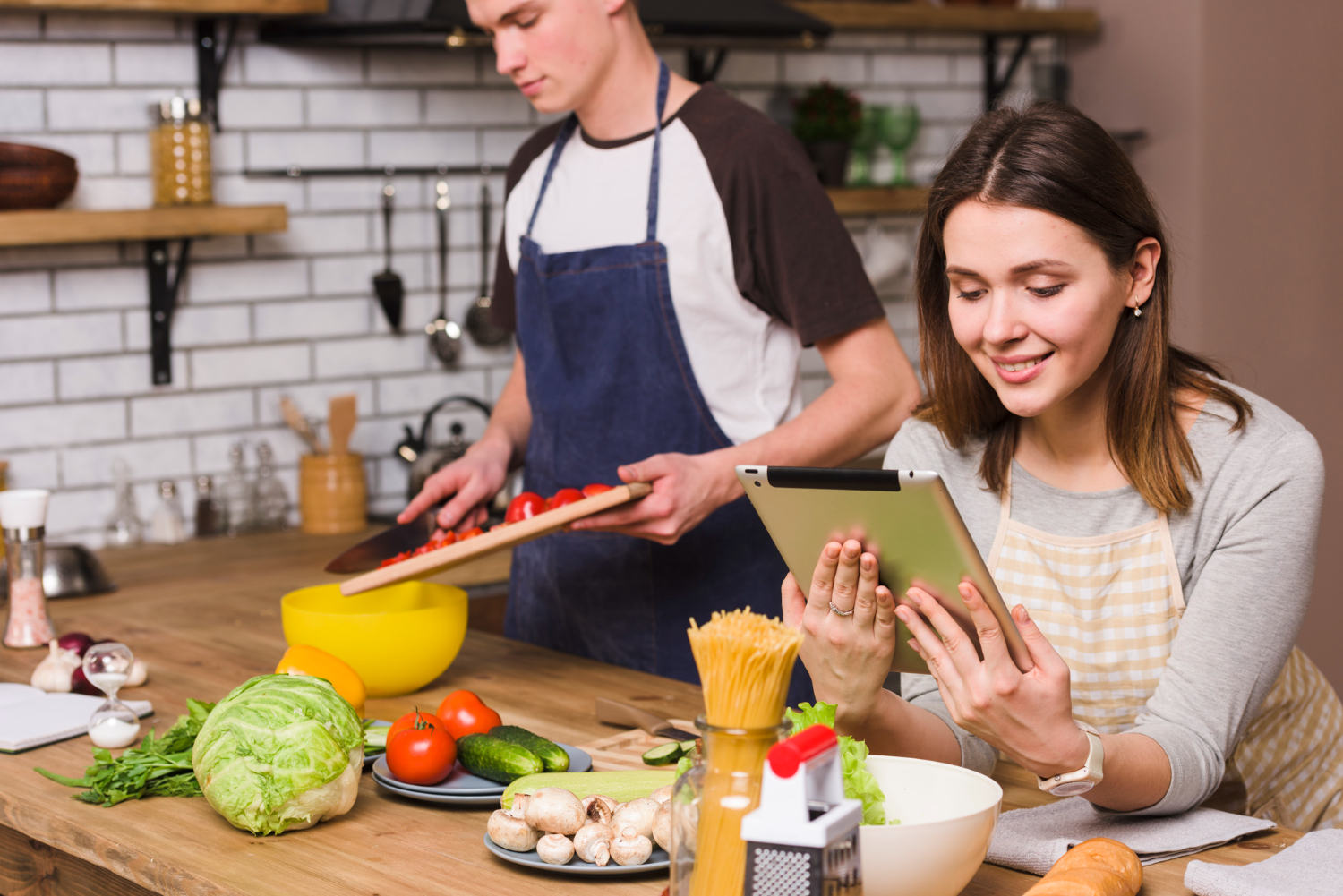
Healthy cooking may sound difficult at first, especially for beginners, but it does not have to be complicated. Small changes in your kitchen habits can make a big difference in your health and energy levels. More people today are looking for healthy cooking inspiration because they want meals that are simple, tasty, and good for the body at the same time.
Cooking healthy meals at home gives you better control over ingredients, portion sizes, and nutrition. It can also save money and help you build a healthier lifestyle over time. The good news is that you do not need to be a professional chef to start. With a few simple tips and basic ingredients, anyone can learn how to cook healthy and delicious meals.
Why Healthy Cooking Matters
The food we eat affects almost every part of our lives. Healthy meals can improve energy, support better sleep, strengthen the immune system, and help maintain a healthy weight. Eating balanced meals regularly can also lower the risk of health problems like diabetes, heart disease, and high blood pressure.
Many packaged or fast foods contain too much sugar, salt, and unhealthy fats. Cooking at home allows you to make smarter choices and prepare meals using fresh and natural ingredients.
Healthy cooking is not about strict diets or avoiding your favorite foods forever. It is about balance, variety, and making better choices most of the time.
Start With Simple Ingredients
One of the biggest mistakes beginners make is trying complicated recipes right away. Healthy cooking becomes easier when you keep things simple.
Start your kitchen with basic ingredients such as:
- Fresh vegetables
- Fruits
- Whole grains like brown rice or oats
- Eggs
- Beans and lentils
- Chicken or fish
- Olive oil
- Nuts and seeds
- Herbs and spices
These ingredients can be mixed in many ways to create healthy meals without too much effort.
Many people also find cooking ideas through blogs, social media, and a women lifestyle magazine, where healthy recipes and simple meal ideas are often shared in an easy and inspiring way.
Learn Basic Healthy Cooking Methods
The way food is cooked matters just as much as the ingredients used. Some cooking methods add extra oil and calories, while others help keep food light and nutritious.
Here are some beginner-friendly healthy cooking methods:
1. Steaming
Steaming vegetables helps keep their nutrients and natural flavor. It is one of the healthiest cooking methods because it does not require much oil.
2. Grilling
Grilling adds flavor without heavy sauces or extra fat. Chicken, fish, and vegetables taste great when grilled.
3. Baking
Baking is a healthier alternative to deep frying. You can bake potatoes, chicken, or even healthy snacks with less oil.
4. Stir-Frying
Use a small amount of olive oil and cook vegetables quickly over medium heat. This method keeps vegetables fresh and crunchy.
5. Boiling
Boiling is simple and useful for foods like eggs, pasta, lentils, and vegetables.
Plan Your Meals Ahead
Meal planning is one of the easiest ways to stay consistent with healthy cooking. When you plan meals in advance, you are less likely to order unhealthy fast food.
Start with planning just a few meals each week. Make a grocery list before shopping so you only buy what you need. This saves both time and money.
For example:
- Breakfast: Oatmeal with fruit
- Lunch: Grilled chicken salad
- Dinner: Brown rice with vegetables and fish
- Snacks: Nuts, yogurt, or fruit
Simple meal planning reduces stress and helps beginners stay organized.
Use More Fresh Foods
Fresh foods usually contain more nutrients and fewer unhealthy additives compared to processed foods. Try to include colorful vegetables and fruits in your daily meals.
Different colors often provide different vitamins and minerals:
- Green vegetables support overall health
- Orange foods like carrots contain vitamin A
- Berries provide antioxidants
- Tomatoes contain nutrients that support heart health
A colorful plate often means a more balanced meal.
Reduce Sugar and Salt Slowly
Many beginners think healthy food tastes bland, but that is not true. The secret is using natural flavors instead of too much sugar or salt.
Try using:
- Garlic
- Lemon juice
- Black pepper
- Fresh herbs
- Cinnamon
- Ginger
These ingredients add flavor without making meals unhealthy.
Reducing sugar and salt slowly also helps your taste buds adjust naturally over time.
Keep Healthy Snacks at Home
Snacking is normal, but choosing the right snacks matters. Keeping healthy options nearby makes it easier to avoid junk food.
Some easy healthy snacks include:
- Apple slices with peanut butter
- Yogurt with fruit
- Roasted nuts
- Boiled eggs
- Smoothies
- Carrot or cucumber sticks
Healthy snacks can keep energy levels stable throughout the day.
Do Not Fear Healthy Fats
Many people think all fats are unhealthy, but the body actually needs healthy fats for energy and brain function.
Healthy fats can be found in:
- Avocados
- Olive oil
- Nuts
- Seeds
- Fatty fish like salmon
The key is moderation. Replacing unhealthy fats with healthier options is a smart step for beginners.
Drink More Water
Healthy cooking works best with healthy daily habits. Drinking enough water supports digestion, energy, and overall wellness.
Sometimes people mistake thirst for hunger, which leads to unnecessary snacking. Carrying a water bottle during the day can help build better hydration habits.
You can also add lemon, mint, or cucumber slices to water for natural flavor.
Healthy Cooking Does Not Need to Be Expensive
A common myth is that healthy eating costs too much money. In reality, simple homemade meals are often cheaper than eating out regularly.
Here are a few budget-friendly healthy foods:
- Rice
- Beans
- Eggs
- Seasonal vegetables
- Oats
- Potatoes
- Frozen vegetables
Buying ingredients in bulk and cooking at home can reduce food costs over time.
Make Cooking Enjoyable
Healthy cooking becomes easier when you enjoy the process. Play music while cooking, try new recipes, or cook with family members or friends.
Do not worry about making perfect meals every time. Learning takes practice. Even simple improvements in your eating habits can make a positive difference.
Trying one new healthy recipe each week is a great way to build confidence in the kitchen.
Common Beginner Mistakes to Avoid
Here are a few common mistakes beginners should avoid:
Skipping Meals
Skipping meals can lead to overeating later. Try to eat balanced meals regularly.
Following Extreme Diets
Very strict diets are difficult to maintain. Focus on balance instead of perfection.
Cooking Too Much at Once
Start small with easy recipes instead of trying complicated meals immediately.
Ignoring Portion Sizes
Even healthy foods should be eaten in reasonable portions.
Final Thoughts
Healthy cooking is not about being perfect. It is about creating better habits one step at a time. Simple changes like using fresh ingredients, cooking at home, drinking more water, and reducing processed foods can improve your health and energy levels.
For beginners, the most important thing is to start small and stay consistent. Healthy meals do not need to be expensive or difficult. With basic ingredients, simple cooking methods, and a little planning, anyone can build a healthier lifestyle.
Over time, healthy cooking becomes easier, more enjoyable, and part of everyday life. The more you practice, the more confident you will feel in the kitchen, and your body will thank you for it.