
The property market continues to change at a rapid pace. From high-street retail spaces to modern family homes, today’s landscape looks very different from what it did a decade ago. New buying patterns, higher interest rates, and a shift in lifestyle priorities have created a market that demands careful attention from buyers, sellers, and investors alike.
This guide explains the latest trends shaping both commercial and residential property. It uses simple language, short paragraphs, and recent facts to give a clear understanding of how the market is evolving—and where opportunities may lie.
The Market is Being Driven by Changing Lifestyles
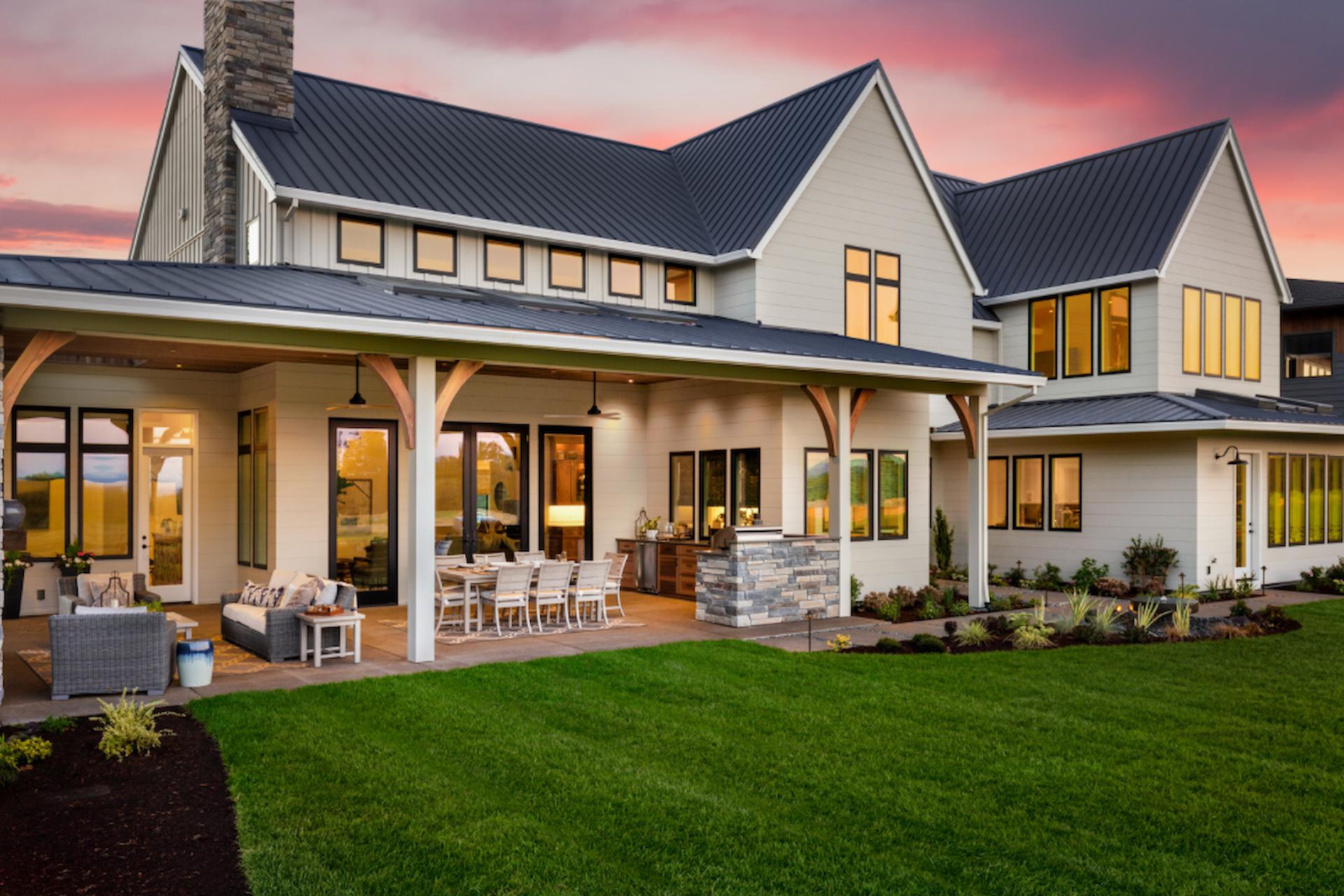
People now expect homes and workplaces to support flexible, hybrid living. Remote working remains common across the UK. As a result, buyers are prioritising extra rooms for offices, better natural light, and energy-efficient layouts.
Recent UK housing reports show that searches for larger homes with a separate study or workspace have increased compared to pre-2020 levels. Garden access and outdoor space also remain near the top of most buyers’ wish lists.
This shift has affected demand. Properties in suburban and semi-rural areas have become more attractive, while some city-centre apartments have seen slower growth. Buyers are willing to commute a little further in exchange for space and better living quality.
Retail Spaces Are Transforming Fast
One of the biggest changes is happening on the high street. Many traditional retail stores have closed due to rising operating costs and the continued growth of online shopping.
Vacant shops, however, are opening new possibilities.
Local councils and private investors are converting empty retail units into residential flats, flexible office spaces, and mixed-use developments. This trend is supported by updated planning rules that make it easier to convert certain commercial buildings into homes without applying for full planning permission.
These conversions help revive town centres, increase local housing supply, and offer lower-cost entry points for investors.
Higher Interest Rates Have Redefined Buyer Behaviour
The past two years have seen interest rates reach their highest levels in more than a decade. Mortgages are more expensive, and buyers are taking longer to make decisions.
This has encouraged a more realistic approach from both buyers and sellers. Homes priced fairly continue to sell, but overly ambitious asking prices struggle.
First-time buyers are exploring alternatives such as:
- Shared ownership
- Longer mortgage terms
- Smaller starter homes
- Homes in emerging commuter towns
Despite these challenges, demand for property has remained steady. Many still see buying a home as a strong long-term investment, even in a higher-rate environment.
Energy Efficiency Matters More Than Ever
Energy efficiency is no longer just a bonus—it’s a major decision factor.
UK homeowners are increasingly aware of running costs. Properties with better insulation, modern heating systems, and strong EPC ratings often sell faster and attract higher offers.
Buyers look for features such as:
- Double or triple glazing
- Solar installations
- Heat pumps
- Smart heating controls
- Low-carbon construction materials
Landlords are also paying close attention, as future rules may require higher energy-performance standards for rental properties.
Build-to-Rent is Growing Across the UK
The build-to-rent (BTR) sector continues to expand, especially in major cities. These developments offer modern apartments designed specifically for renting, often with communal workspaces, gyms, and 24-hour support.
Many renters prefer this model because it offers flexibility, reliable management, and well-maintained facilities.
For investors, BTR presents a steady, predictable income stream. For cities, it supports professional workers and helps meet ongoing demand for quality rental housing.
Commercial Property is Becoming More Diverse
Commercial property is no longer dominated by retail and traditional offices. Modern needs have created new opportunities.
Sectors showing strong demand include:
- Logistics and warehousing: Driven by online shopping and faster delivery expectations.
- Healthcare facilities: Clinics, assisted-living spaces, and specialised medical centres.
- Data centres: High-demand due to cloud computing and AI expansion.
- Flexible workspaces: Smaller companies favour short, flexible leases rather than long contracts.
These shifts show how businesses are adapting to new consumer behaviour and digital growth.
The Rise of Mixed-Use Developments
Mixed-use properties combine homes, shops, offices, and recreational spaces in one development. These projects are increasingly common in both cities and large towns.
People appreciate the convenience of living close to cafés, gyms, and essential services. Developers benefit from balanced income streams, and communities enjoy well-designed, walkable neighbourhoods.
This model supports sustainable living and reduces the need for long commutes, making it popular among younger professionals and families.
Technology Is Changing How Property Is Bought and Sold
Recent improvements in digital tools have made the buying process faster and more transparent. Online viewings, virtual tours, and digital conveyancing have become normal parts of the property journey.
Estate agents use data tools to track local demand and set accurate prices. Buyers rely on online research more than ever before.
Technology also helps developers design better buildings through advanced modelling, energy-performance testing, and easier compliance checks.
Affordability Still Shapes the Market
Despite new opportunities, affordability remains one of the biggest challenges.
Key pressures include rising living costs, slower wage growth, and higher mortgage rates. Young buyers, in particular, are finding it harder to save deposits.
But with more flexible schemes, regional investment plans, and increased homebuilding in some areas, the market offers multiple entry points depending on budget and long-term goals.
Where Opportunities Exist Today
Even with market uncertainty, several opportunities stand out:
- Converting commercial buildings into homes
- Investing in commuter towns with growing populations
- Exploring energy-efficient properties
- Considering build-to-rent for long-term income
- Watching for new infrastructure projects, such as transport upgrades
These trends often support stable growth and reliable rental demand.
Final Thoughts
From transforming retail spaces to creating energy-efficient homes, the property market is going through one of its most dynamic periods in years. Buyers want comfort and flexibility. Investors want long-term value. Communities want well-planned, accessible spaces.
Understanding today’s trends helps individuals make better decisions—whether buying a home, investing in commercial property, or simply exploring the market’s direction.
With clear research and a practical approach, anyone can navigate the modern property landscape with confidence.