
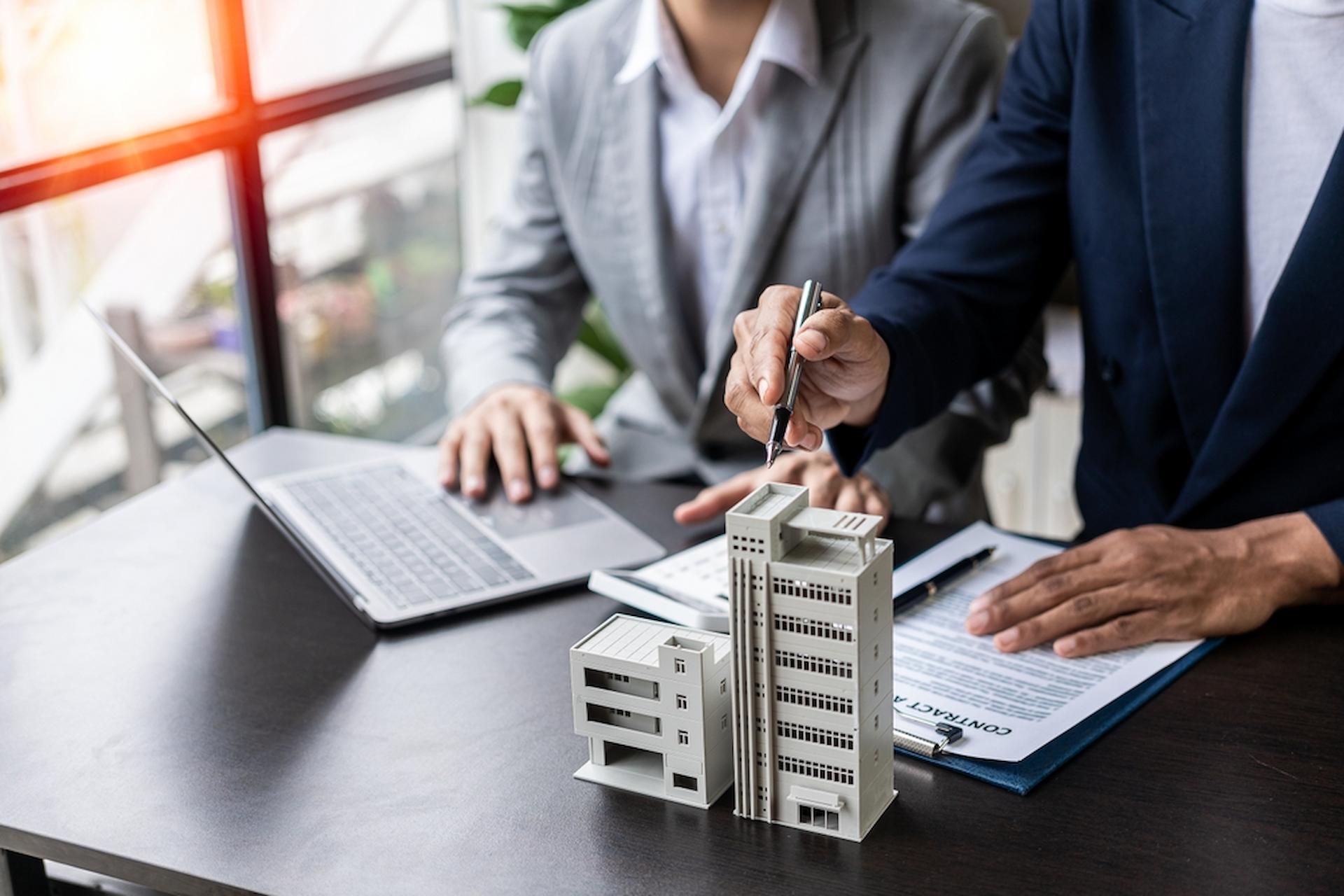
Commercial property plays a vital role in today’s economy. It influences how businesses function, how urban areas develop, and how long-term wealth is created. From office spaces and retail units to logistics facilities and mixed-use developments, commercial property presents clear advantages alongside risks that require careful consideration.
This guide sets out the core principles of commercial property in clear, accessible language. It examines value, risk, and opportunity to support informed and confident decision-making. Whether you are an investor, landlord, business owner, or entering the market for the first time, a solid understanding of the fundamentals is essential.
Understanding Commercial Property at a Fundamental Level
Commercial property refers to land and buildings used for business activity rather than residential living. These assets are designed to generate income, support operations, or achieve both objectives simultaneously.
Typical commercial property categories include office premises, retail outlets, warehouses, industrial facilities, hotels, and mixed-use schemes. Unlike residential property, commercial assets are closely linked to economic performance, business confidence, and local demand, creating both opportunity and exposure to change.
Why Commercial Property Retains Long-Term Importance
Commercial property continues to attract interest because it fulfils a practical and ongoing need. Businesses require physical space to operate, store goods, serve customers, and manage staff.
Several factors contribute to its lasting appeal.
Income Stability
A key advantage of commercial property is its income potential. Commercial leases are often longer and more structured than residential agreements, offering greater predictability.
Longer lease terms, formal rent review mechanisms, reduced tenant turnover, and clearly defined agreements can support stable cash flow and long-term planning.
Gradual Asset Growth
Over time, commercial property can increase in value as demand rises, infrastructure improves, or surrounding areas develop. While short-term price movements occur, well-positioned assets often retain and grow their value in the long run.
Growth is commonly influenced by business expansion, transport improvements, regeneration initiatives, and limited availability of comparable properties. Patience is frequently a key factor in realising this potential.
Ownership Control and Adaptability
Commercial property ownership allows greater control over how space is used and adapted. Owners can modify layouts, upgrade facilities, or repurpose buildings to suit evolving needs.
This flexibility can enhance operational efficiency, reinforce brand identity, and support long-term cost management, adding strategic value beyond rental income alone.
Key Risks Associated with Commercial Property
Despite its strengths, commercial property carries genuine risks. Recognising and planning for these risks reduces the likelihood of costly outcomes.
Economic Sensitivity
Commercial property performance is closely tied to economic conditions. When business activity slows, demand for space can decline.
This may result in vacant units, reduced rental income, longer letting periods, and downward pressure on values. Economic cycles are inevitable, making preparation essential.
Tenant Concentration Risk
Income is often dependent on a limited number of tenants. The loss or failure of a single tenant can have a noticeable impact.
Business closures, rent delays, early lease terminations, and extended re-letting periods are common challenges. Thorough tenant assessment and contingency planning help mitigate these risks.
Higher Operational Costs
Commercial properties typically involve higher maintenance and compliance costs than residential assets. These expenses must be carefully accounted for.
Ongoing costs may include building upkeep, insurance, safety upgrades, utilities, and professional management. Accurate forecasting is critical to maintaining profitability.
Legal and Regulatory Obligations
Commercial property owners are subject to clear legal responsibilities relating to safety, accessibility, and building standards.
Non-compliance can lead to financial penalties, operational disruption, and loss of tenant confidence. Staying informed and organised protects both asset value and reputation.
Assessing Commercial Property Value
Value in commercial property extends beyond purchase price. It reflects income quality, demand, and long-term potential.
Location and Connectivity
Location remains a primary driver of value. Properties that are well-connected and accessible are generally more attractive to tenants.
Strong transport links, active business environments, footfall for retail uses, and proximity to services all contribute to value resilience, particularly during uncertain periods.
Income Quality and Lease Structure
The strength of income is as important as its size. Long leases with financially stable tenants typically enhance value.
Key considerations include lease length, rent review terms, tenant reliability, and break clauses. Balanced agreements support long-term confidence and pricing stability.
Building Condition and Flexibility
Well-maintained properties with adaptable layouts tend to perform better. Flexible spaces can accommodate changing business requirements more easily.
Adaptability reduces future capital expenditure, widens tenant appeal, and extends the functional lifespan of the asset. Neglect, by contrast, often accelerates value decline.
Opportunities Within the Commercial Property Market
Despite challenges, commercial property continues to present opportunities, particularly where change or complexity exists.
Demand for Flexible Workspaces
Many organisations now favour efficient, adaptable spaces. Smaller offices, shared environments, and flexible configurations are increasingly sought after.
This trend creates potential for refurbishment, reconfiguration, and modernised leasing models. Properties aligned with current working patterns often achieve stronger performance.
Growth in Industrial and Logistics Property
Changes in retail and supply chains have driven sustained demand for storage and distribution facilities.
Warehouses, logistics hubs, and light industrial units often demonstrate resilience, offering opportunities even during economic transitions.
Regeneration and Redevelopment Potential
Areas undergoing regeneration can offer early investment opportunities. While risk may be higher, long-term value growth can be significant.
Lower entry prices, public investment, and rising demand often accompany regeneration. Thorough research is essential to balance risk and reward.
Managing Risk Through Structured Planning
Successful commercial property ownership relies on proactive planning rather than risk avoidance.
Portfolio Diversification
Spreading exposure across different property types, locations, or tenant profiles reduces reliance on a single income source and improves resilience.
Professional Guidance
Commercial property decisions benefit from expert input. Surveyors, legal advisers, property managers, and financial professionals provide valuable perspective and reduce uncertainty.
Long-Term Perspective
Commercial property is best approached with a long-term mindset. Short-term market movements should be assessed within a broader strategic framework.
Patience supports consistent growth, avoids reactive decisions, and helps preserve asset value.
Commercial Property as Part of Business Strategy
For many organisations, commercial property extends beyond investment. Ownership can reinforce brand presence, stabilise operating costs, and support expansion.
Leasing, by contrast, may offer flexibility, lower upfront costs, and reduced responsibility. The optimal approach depends on business objectives, financial capacity, and risk appetite.
Building Confidence Through Informed Decisions
Confidence in commercial property stems from transparency, realistic expectations, and responsible management.
Clear financial planning, regular performance reviews, ethical landlord practices, and informed assessments form the foundation of sound decision-making. These principles align closely with experience, expertise, authority, and trust.
Final Thoughts
Commercial property remains a powerful driver of income and long-term growth. Its strength lies in its practicality, adaptability, and enduring demand. However, success depends on recognising risks and responding with informed strategy.
By prioritising location, income quality, tenant relationships, and long-term planning, owners can safeguard value while identifying opportunity. A strong understanding today lays the groundwork for more resilient outcomes tomorrow.